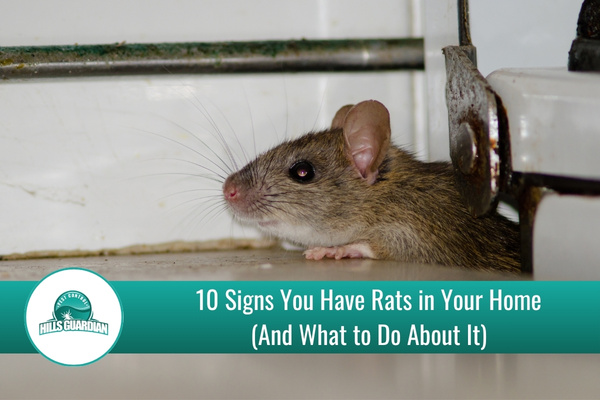
But clues are always left. Once you know what to look for, you can catch the problem early, before a few unwanted guests become something much bigger.
Here are the 10 telltale signs that rats have moved into your home and exactly what to do if you find them.
What To Listen and Look For
1. Noises at Night – Particularly in the Roof or Walls
Rats remain completely quiet during the day to avoid detection, coming alive after dark. That’s why those mysterious sounds tend to wake you up at 2 am. By sunrise, they vanish.
You might hear:
- Scratching or scrabbling – in the roof cavity or ceiling.
- A fast, light scurrying sound moving across the ceiling.
- Gnawing or chewing noises – inside walls or under the floor.
- Soft squeaking – usually indicating a nest with young pups is present.
If the noise is above you, a roof rat is the most likely culprit. They’re agile climbers, thriving in roof and ceiling spaces. If the sound is coming from ground level or under the house, you may be dealing with Norway rats. They prefer to burrow low.
2. Droppings
One of the clearest signs of a current rodent infestation. Droppings offer immediate proof about the size and scale of the situation.
- Appearance – dark brown to black in colour. Roughly 10 to 20mm long and spindle-shaped with tapered ends. It looks similar to a large grain of rice.
- Age – fresh droppings are soft and dark. Older waste dries out, hardens, and fades to a grey colour. A mix of both means the nest is growing.
- Rats vs mice – rat droppings are significantly larger. Mouse droppings are tiny, around 3 to 6mm.
3. Gnaw Marks
Rats’ front teeth never stop growing. To keep them worn down, they’re driven by instinct to chew constantly on tough materials. This damage usually appears in multiple spots at once because these rodents are exploring more than one area of your home.
Look for fresh, pale, rough-edged marks on:
- Food packaging – cardboard boxes, plastic containers, and bags.
- Timber and structures – door frames, skirting boards, and wall cavities.
- Utilities – electrical cables, wiring, plumbing pipes and drainage fittings.
- Stored items – out in the garage or shed.
Chewed electrical wiring is a serious fire hazard. It should be treated as a priority risk.
4. Grease Marks and Smear Trails
Rats have terrible vision. They navigate mostly with their whiskers and sense of touch, taking the same routes, hugging walls, pipes, and structural beams to stay on track. Over time, the built-up dirt and oils on their fur leave a distinct residue along these ‘rat runs’.
Look for:
- Dark, greasy streaks along skirting boards and walls.
- Smudged marks around holes or entry points.
- Dirty smears on pipes, beams, and rafters in roof cavities.
5. Footprints and Tail Drag Marks
In dusty or forgotten spots like the back of a garage, a garden shed, or inside a roof cavity. You might find actual rat tracks. Typically, they will show four toes on the front feet and five on the back, with a clear line running down the centre for the tail.
If you suspect rats, scatter a thin layer of talcum powder or flour across the area. Check it the following morning. If rodents are using that run, they will leave a fresh set of prints behind.
6. Nests and Nesting Material
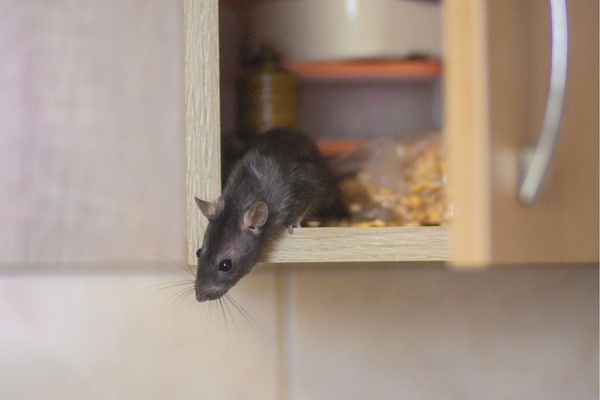
Check warm, quiet spots, close to potential food sources. This is where rats prefer to build nests. They will aggressively shred soft materials to create bedding for their litters.
You may notice damage to:
- Roof insulation – batts or loose-fill shredded, torn or moved.
- Paper and cardboard – torn paper, cardboard, and newspaper.
- Fabrics – chewed cotton wool, outdoor cushions and soft furnishings.
- Garden materials – bunches of dried leaves, grass and plant material moved indoors.
7. Burrows Around Your Property
Outdoor activity from Norway rats is usually noticed before you find it inside. They prefer living at ground level, digging extensive tunnel networks for shelter, food storage, and nesting. Signs of rat burrows include:
- Holes in the ground around 5 to 8cm in diameter.
- Freshly disturbed soil around the opening.
- Tunnel entrances near garden beds, decking, compost bins, wood piles, or the base of walls.
- Multiple tunnel openings (bolt holes) close together, used for quick escapes.
Burrows right next to the perimeter of your house are a warning sign rats are trying to find a way in. This is particularly crucial for homeowners who back onto bushland or open space, where extra vigilance is needed as these areas support wild populations.
8. Damage to Food Packaging and Stored Goods
Incredibly smart scavengers, rats will seek out any easy meal they can find. Your kitchen and your yard are fair game as far as they’re concerned.
Common indoor targets include:
- Dried goods such as rice, pasta, cereals, nuts, and pet food.
- Fruit and vegetables stored at ground level.
Outside the home, rats will raid:
- Compost and outdoor rubbish bins.
- Chicken feed and bird seed.
Don’t risk eating contaminated food, especially if you have children in the house. Throw any items that look chewed or shifted around. Give the area a deep clean before you restock, and store food in airtight containers they can’t gnaw through.
9. Unusual Smells
You’ll usually smell a rat infestation well before you see one. Their urine carries a distinctive odour. When they nest in an enclosed space, like a roof or wall cavity, this heavy smell can quickly become overpowering.
Signs worth investigating:
- A strong ammonia or musky stench – a pungent smell in a room with no obvious source.
- Ceiling or cupboard hotspots – a persistent smell that’s concentrated in these specific areas.
- Decay – dead animal stench coming from inside a wall or roof space.
10. Your Pets Are Acting Strangely
Dogs and cats are far more sensitive to smells and sounds than we are. If there are rats nesting ‘behind the scenes’, your pet’s behaviour will usually change overnight.
Pay attention to your pet when:
- Scratching or pawing at walls, floors, or skirting boards.
- Staring intently at the ceiling or a particular corner.
- Barking, whining, or pacing around at night for no obvious reason.
- Showing unusual interest in areas under appliances or furniture.
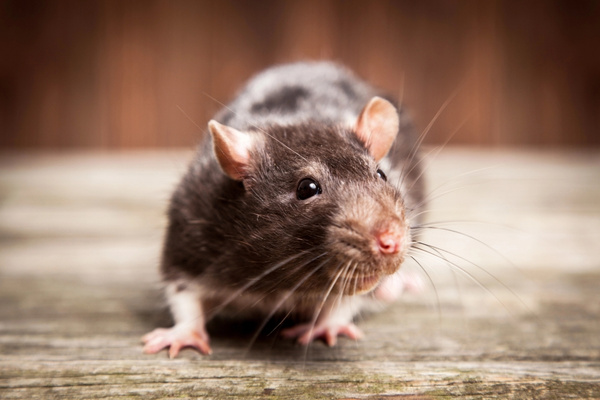
Why It Pays to Act Early
Rats are more than an inconvenience. Letting them settle in your home can rapidly compromise your property and your health.
Health and Safety Risks
They host bacteria like Salmonella and spread serious diseases, including Leptospirosis. Beyond contamination, they shed dander, creating allergens that can trigger asthma or other respiratory issues, particularly in children.
Property Damage
The relentless chewing behaviour is purely for dental maintenance, but it’s incredibly destructive. They use your home to do it, threatening the integrity of your property’s structure. Your house bears the brunt.
Rapid Population Growth
Left to their own devices, a single pair of rats can create a population explosion of up to 40 pups in a year. What starts as one or two invading rodents can spiral into a full-scale infestation.
Catching the red flags early is crucial.
Where To Check for Rats in Your Home
Rats tend to favour specific areas depending on the species and property layout. Here is where to start looking.
| Inside Your Home | Outside Your Home |
|---|---|
| Roof cavity and ceiling space | Base of walls and fences |
| Wall cavities (especially near joins where smear marks may be visible) | Near compost bins and rubbish areas |
| Subfloor spaces | Under timber decking |
| Under and behind kitchen appliances | In dense garden beds or overgrown vegetation |
| Inside pantry and food storage areas | Around roof eaves, vents & downpipes |
| Laundry and under-sink cupboards | Garage and garden shed |
Protecting Your Home – Rat Prevention Checklist
Prevention is always more effective than cure. This checklist details the steps you can take to make your home less attractive to rats.
Outside The Home
☐ Trim tree branches away from the roofline.
☐ Remove dense vegetation touching the house.
☐ Store firewood at least 300mm off the ground.
☐ Keep compost bins sealed.
☐ Clean up fallen fruit from trees.
☐ Remove clutter from around sheds and garages.
☐ Ensure outdoor rubbish bins have tight-fitting lids.
☐ Avoid leaving pet food outside overnight.
☐ Check external walls for gaps larger than 6mm.
☐ Inspect weep holes and vents for damage.
Roof Void & Gutters
☐ Remove overhanging branches providing roof access.
☐ Clean gutters regularly.
☐ Check roof tiles for damage or movement.
☐ Inspect roof entry points around pipes and cables.
☐ Look for signs of rodent droppings in the roof space.
☐ Listen for scratching noises at night.
Garage & Storage Areas
☐ Store items on shelving rather than directly on the floor.
☐ Keep cardboard storage to a minimum.
☐ Seal gaps around roller doors.
☐ Remove unnecessary clutter.
☐ Store pet food in sealed containers.
☐ Check behind stored items for droppings.
Inside The Home
☐ Store pantry foods in sealed containers.
☐ Clean crumbs from kitchen benches daily.
☐ Vacuum under appliances regularly.
☐ Do not leave pet food out overnight.
☐ Repair leaking taps and pipes.
☐ Seal gaps around plumbing and electrical entry points.
☐ Check laundry and hot water areas for signs of activity.
Common Signs of Rodent Activity
☐ Small black droppings.
☐ Scratching noises in walls or ceilings.
☐ Gnaw marks on timber, plastic or wiring.
☐ Nesting material such as shredded paper or insulation.
☐ Unusual pet behaviour near walls or cupboards.
☐ Strong ammonia-like odour.
☐ Grease marks along walls or skirting boards.
When running through your checklist, if you notice any of the above signs, it’s time to move from prevention to addressing the problem.
Found a Sign? What You Should Do
Don’t Touch or Disturb the Waste
Attacking dry droppings with a broom or vacuum throws up invisible, nasty particles into the air you’re breathing. If you can’t wait until an inspection, dampen the area with disinfectant to keep the dust flat, wear gloves and a mask. Wash your hands thoroughly.
Don’t Rely on Supermarket Baits and Traps
Off-the-shelf products may catch one or two invaders, but they won’t fix the underlying issue. It’s a temporary solution that ignores the population growing out of sight.
Call a Licensed Local Pest Controller
Long-term protection requires an expert eye to locate the access points and eliminate the infestation at the source.
Let Hills Guardian Safeguard Your Home From Rats
You don’t have to handle a rat problem on your own. At Hills Guardian Pest Control, we’ve been delivering effective rat control and rodent control across the Hills District for over 35 years.
Our licensed technicians will give you honest answers, explain exactly what we find, and treat the issue safely and efficiently. Using targeted treatments tailored to your property, we eradicate rats in your home and prevent them from returning.
Telltale Signs of Rats in Your Home FAQs
How Do I Know if I Have Rats or Mice?
Generally, by the noise and devastation they create:
- Mice – leave tiny droppings (3 to 6mm), and make light scratching sounds. These rodents are small and will be predominantly located in kitchens and pantries.
- Rats – are much bigger, so they make a heavier scurrying sound. Their droppings are much larger too (between 10 to 20mm). They also have more powerful jaws. Rats can easily bite through soft metal, timber and piping.
Looks like a smaller pest? Then check out our mice pest control page. If you’re still not sure what you’re dealing with, we can carry out an inspection to identify the offender and their entry points.
Can I Have Rats Without Seeing Them?
Yes. Rats are mainly active at night and naturally cautious around humans. Most homeowners rarely ever see one. They find the signs first.
In fact, if you do spot a rat running during the day, it’s likely because the nest is becoming overcrowded and you have a bigger situation on your hands.
Is It Common To Have Rats in the Hills District?
It’s incredibly common. The Hills District has a mix of residential properties, bushland borders, rural land and large established gardens, all of which naturally draw rats to the area.
They’re a year-round issue, but particularly problematic during autumn and winter. This is when they seek warmth and shelter inside homes. At Hills Guardian, we deal with rat control issues across Castle Hill, Kellyville, Baulkham Hills, Glenhaven, Rouse Hill, and surrounding suburbs regularly.
Are the Treatments Safe for My Kids and Pets?
Yes, completely. Before treatment starts, our friendly technicians will always explain what they’re using and any precautions to take. We use environmentally friendly treatments and lockable bait stations. This ensures pets and children simply cannot come into contact with the bait.
How Long Does it Take to Get Rid of Rats?
Most treatments show results within two weeks, although it does depend on size of the infestation and approach we need to take. Once we’ve inspected your property, we can let you know what to expect.
We also recommend a follow-up inspection. This is to confirm the problem has been resolved and to check entry points have been properly sealed.
What if They Come Back?
At Hills Guardian, we keep detailed records of every property we treat, so your history is already on file. If rats return within the treatment period, our team will come back and handle the issue.
The root cause is our main focus. We’ll work with you to make sure they don’t return, whether that’s through offering prevention tips or scheduled ongoing monitoring.